From Shoshannah to Susan: Unveiling a Timeless Legacy
The name Susan, with its gentle lilt and classic appeal, has graced individuals across countless generations, weaving itself into the fabric of history and culture. Far more than a mere label, a name carries deep significance, encapsulating stories, values, and identities that resonate through time. Susan is a prime example of such a name, often associated with grace, beauty, and enduring charm. Whether you've known a Susan your entire life or are simply drawn to its elegance, delving into its meaning and legacy offers a fascinating glimpse into its profound impact.
In an age where naming trends ebb and flow, Susan stands as a testament to timeless appeal. It evokes images of natural beauty and understated sophistication, qualities that have cemented its place in the hearts of parents and poets alike. Exploring the journey of Susan reveals intricate layers of linguistic roots, historical usage, and cultural symbolism, making it a name that not only sounds elegant but also carries a profound, inspiring message.
The Luminous Roots: Tracing Susan's Ancient Etymology
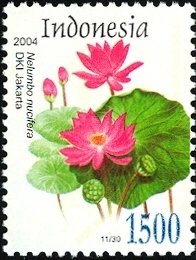
The story of Susan begins in ancient lands, rooted deeply in languages that predate much of modern history. Its primary origin is elegantly traced back to the Hebrew name Shoshannah (שׁוֹשַׁנָּה), a name that conjures images of delicate beauty. In Hebrew, Shoshannah means "lily" or "rose," immediately establishing a profound connection to nature, purity, and aesthetic appeal. This floral association has been a cornerstone of the name's identity, allowing it to maintain an aura of freshness and grace throughout its long history.
From its Hebrew origins, Shoshannah embarked on a remarkable linguistic journey. It transitioned into European naming traditions through its Greek form, Sousanna (Σουσάννα), and subsequently into Latin as Susanna. This evolution underscores the name's adaptability and enduring charm, allowing it to transcend cultural and linguistic barriers. The migration from ancient Hebrew scriptures to widespread usage in various cultures highlights its persistent appeal and the universal resonance of its core meaning. In biblical and historical contexts, Susanna often symbolized not just beauty, but also virtue, resilience, and unwavering grace—qualities that have ensured its popularity for centuries. The transformation from Shoshannah to Susan beautifully illustrates how names can evolve in form while meticulously preserving their intrinsic essence and powerful symbolism.
For those interested in the deeper layers of its etymological journey, Unveiling the Enduring Meaning and Origin of the Name Susan provides even more detail on its linguistic shifts and cultural adoption.
A Journey Through Time: Susan's Historical Popularity and Evolution
The name Susan has experienced a fascinating trajectory of popularity across centuries, particularly within English-speaking countries. Its strong biblical roots played a crucial role in its consistent usage during the medieval period and the Renaissance, securing its place within the established lexicon of names.
However, Susan's true zenith of popularity arrived in the mid-20th century. During the 1950s and 1960s, Susan was not merely popular; it was a phenomenon, consistently ranking among the top names for baby girls in the United States, the United Kingdom, and other Western nations. It became emblematic of classic femininity, representing an era's ideals of grace, charm, and accessibility. Its widespread recognition, ease of pronunciation, and the inherently positive qualities it suggested contributed significantly to its pervasive appeal during this period.
Following its peak, the name's usage has seen a gradual decline in some regions, a common pattern for names that reach such extreme popularity. Yet, even with this shift, Susan has not faded into obscurity. Instead, it has transitioned into a beloved vintage choice, appreciated by many parents for its timeless simplicity, inherent elegance, and rich historical resonance. It holds a nostalgic charm, offering a bridge to a past era while remaining perfectly suitable for the present. Parents today often choose Susan for its balanced qualities—familiar yet not overly common, classic yet unpretentious.
To further understand the broader historical patterns of names like Susan, explore The Name Susan: Tracing Its Ancient Roots and Popularity.
Beyond the Blossom: Notable Susans and Their Lasting Impact
The enduring appeal of the name Susan is undoubtedly bolstered by the remarkable individuals who have borne it, leaving indelible marks on history, arts, and society. Their diverse achievements have cemented Susan as a name associated with strength, intellect, creativity, and activism.
- Susan B. Anthony (1820–1906): A pioneering American suffragist and civil rights activist, Anthony was a pivotal figure in the women's suffrage movement. Her relentless advocacy for women's right to vote and her broader fight for social justice exemplify the name's association with courage and principled action.
- Susan Sontag (1933–2004): An influential American writer, filmmaker, philosopher, teacher, and political activist, Sontag was a towering intellectual figure of the late 20th century. Her incisive critiques and profound insights into culture, art, and politics continue to shape discourse.
- Susan Sarandon (born 1946): An acclaimed American actress and activist, Sarandon has enjoyed a prolific career spanning decades, earning an Academy Award and countless other accolades. Beyond her cinematic achievements, she is widely recognized for her outspoken activism on various social and political issues.
- Susan Flannery (born 1939): Among the accomplished women who bear this name is veteran actress Susan Flannery, renowned for her iconic roles in daytime television, particularly her long-standing portrayal of Stephanie Forrester on The Bold and the Beautiful. Her extensive and distinguished career has not only garnered her numerous accolades, including multiple Daytime Emmy Awards, but also sparked considerable public interest in her achievements and overall professional success. The longevity and impact of her work naturally lead to discussions about the broader career paths and, at times, the financial standing of such public figures, illustrating the widespread intrigue into the lives of those who have achieved significant prominence.
These women, among countless others, have enriched the legacy of the name Susan, imbuing it with a sense of accomplishment, resilience, and profound influence. Their varied contributions across different fields highlight the versatility and universal appeal of a name that has inspired many to pursue greatness.
The Enduring Appeal: Why Susan Continues to Charm
Despite shifts in naming trends, Susan retains a distinct charm and an enduring appeal. Its simplicity is one of its greatest strengths; easy to spell and pronounce in many languages, it fosters immediate familiarity. Yet, this simplicity is coupled with an inherent elegance, making it feel both approachable and sophisticated. The name carries an air of classicism without being old-fashioned, striking a perfect balance for parents seeking a timeless yet fresh option.
Moreover, the positive connotations associated with Susan—beauty, purity, grace, and virtue, derived from its "lily" and "rose" meanings—contribute significantly to its lasting desirability. It's a name that suggests gentle strength and inner radiance, qualities universally admired. This deep-seated positive symbolism provides a solid foundation for its continued resonance across generations. As a result, Susan remains a name that evokes a sense of comfort, reliability, and timeless beauty, ensuring its place in the global lexicon of beloved names.
Practical Tips for Naming and Appreciating the Name Susan
For expectant parents contemplating the name Susan, or for individuals who proudly bear it, understanding its nuances can add another layer of appreciation:
- Versatility in Nicknames: Susan offers several charming nicknames, such as Sue, Susie, Suz, and Anna, allowing for personalization as a child grows.
- Global Variations: Explore its international counterparts like Susanna, Susannah, Suzanne, and Sanna, which offer similar beauty with different cultural inflections. This can be a wonderful way to honor heritage.
- Timeless Pairing: Susan pairs beautifully with a wide range of middle and last names, offering a harmonious flow whether you prefer classic, modern, or unique combinations.
- Celebrating its Legacy: If you are a Susan, or know one, reflect on the name's rich history. Embrace its connection to nature, beauty, and the long line of remarkable women who have carried it with grace.
- Meaningful Choice: For parents, choosing Susan can be a nod to a family member, a tribute to its classical charm, or simply an attraction to its elegant sound and positive meaning. It's a choice that speaks to a desire for a name that will age gracefully and carry significant depth.
Conclusion
From its ancient Hebrew roots as Shoshannah, meaning "lily" or "rose," the name Susan has embarked on an incredible journey through history, language, and culture. It has evolved, adapted, and flourished, retaining its core essence of beauty, purity, and grace. From its peak popularity in the mid-20th century to its current status as a cherished vintage classic, Susan continues to captivate with its simple elegance and profound symbolism.
The legacy of countless inspiring Susans—from civil rights pioneers to celebrated actresses like Susan Flannery—further enriches its narrative, solidifying its place as a name synonymous with strength, creativity, and enduring impact. More than just a collection of letters, Susan represents a timeless legacy, a blossom of a name that continues to unfold with charm and significance for generations to come.
